
Your Real Competition Isn’t Other Authors
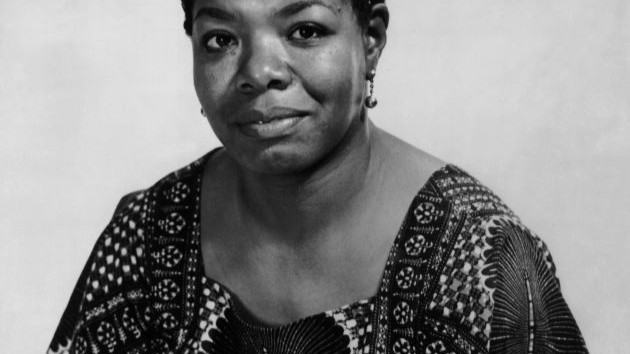
The author outselling you right now is not necessarily a better writer. They’re just less comfortable than you are. They sent the email that made their stomach hurt. They walked into the room where they knew no one. They pitched themselves before they felt ready. That’s the whole gap. That’s it. We call it imposter syndrome, but that’s not always the best name to fully encapsulate the feeling. Imposter syndrome is more of a sidekick that is permanently there rather than an obstacle to overcome. You’ve probably felt this. Cold emails feel impossible until you’ve sent ten. Events feel terrifying until you’ve gone to three. It doesn’t go away—it just becomes part of the process. Have you done the uncomfortable thing yet? Have you gone the extra step to move in the right direction? Have you aligned what you manifest with what you actually do? It’s time. Let’s get you some proof that the gap is not only real, but the thing that can help you reach your next step. Assets That Will Actually Help 1. Fear Setting: Name the Thing Tim Ferriss popularized this, and it’s one of the fastest ways to shrink a fear down to size. Stop being scared of “promotion.” That word is too big and too vague, and vague fear is the kind you can’t fight. Get specific about what promoting your brand and your book actually looks like. What are you actually afraid of? Sending fifty emails and hearing back from one person? Looking desperate? Bothering someone important who doesn’t care? Write down the three things you’re afraid will happen. Next to each one, write what you’d do if it did. Why this matters for authors: “I’m bad at promotion” is a feeling you hide from. “I’m afraid of a low reply rate” is a problem you solve on a Tuesday. One keeps you stuck, while the other gives you a to-do list and a clear direction. Naming the fear is how you take its power away. 2. Dunning-Kruger: Why Your Doubt Is a Good Sign Here’s an uncomfortable truth about confidence. The people with the least skill are often the most sure of themselves because they can’t yet see what they’re missing. The people with real skill doubt themselves more because they can. They see more possibilities and therefore become more risk-averse. That’s the Dunning-Kruger Effect, and it should change how you read your own self-doubt. Why this matters for authors: Your imposter syndrome is not proof you should stay quiet. More often, it’s proof you’re good enough to know the difference between a decent book and a great one. That doubt means you care. But care isn’t a strategy. The confident beginner who promotes badly will still outsell the brilliant author who hides. Take the doubt as a compliment, then do the work anyway. The world doesn’t need you humble and invisible—it needs your work where people can find it. 3. Everyone You Admire Felt Like a Fraud First Maya Angelou didn’t publish her first book until she was 40. Before that, her life looked nothing like a legend’s. She grew up poor in segregated Arkansas. As a child, she experienced trauma so severe that she stopped speaking for nearly five years. During that silence, she spent her time reading everything she could. Later, she became the first Black streetcar conductor in San Francisco. She had a son at sixteen and worked as a cook, waitress, dancer, singer, and actress before finally writing I Know Why the Caged Bird Sings. Even after winning Grammys, receiving a Pulitzer nomination, and reading a poem at a presidential inauguration, she admitted she still felt like a fraud with every new book. Eleven books later, that feeling never fully disappeared. But it never stopped her either. Albert Einstein once said the praise for his work made him feel like a swindler. Serena Williams has spoken openly about questioning whether she belonged. Countless successful musicians admit they’re still waiting to be “found out.” Why this matters for authors: That feeling you keep trying to eliminate before promoting your book? The greats never eliminated it either. They simply stopped waiting for it to disappear. You will not feel ready. No coaching program, therapist, or community can hand you “ready.” That’s not how it works. Because ready was never the goal. Doing it scared, unprepared, and unfinished—that’s the real north star. What to Do Next Send one cold email this week. Go to one event this month. Say yes to one conversation you’d usually avoid. Do one thing that aligns with your brand, your goals, and your instincts. Just do the thing—whatever it is. That’s the entire distance between you and the author you’re jealous of. It’s not about talent or luck. It’s about being willing to be uncomfortable before you feel qualified. Keep going. We’ve got you. Cheers to your success,Samantha and Simar